Hosted by NASHIA, NASEM and the CDC.
Brain injuries resulting from intimate partner violence (IPV) are far more common than many people realize. Research suggests that up to 90% of IPV survivors have sustained at least one brain injury, with many experiencing repeated injuries that go unrecognized and untreated. These invisible injuries can significantly affect cognition, communication, emotional regulation, and daily functioning, creating barriers to safety, recovery, and access to services.
Join speakers from the National Association of State Head Injury Administrators (NASHIA), National Academies of Sciences, Engineering, and Medicine (NASEM), and the Centers for Disease Control and Prevention (CDC) for an engaging session exploring the intersection of IPV and brain injury and why recognizing this often-hidden injury is essential to providing effective support. The session will also feature a description of CDC's Hidden Harms training, highlighting evidence-based tools and resources that professionals can use to better recognize brain injury and support survivors across healthcare settings. States and providers using this training, as well as those who provide screening and services to people with brain injuries in shelters, will also share their experience and lessons learned. Participants will learn to identify common signs and symptoms of brain injury, apply trauma-informed strategies that foster trust and improve service delivery, and connect to resources that implement practical accommodations to promote recovery.
Learning Objectives:
Recognize the prevalence, common mechanisms, and functional impacts of brain injury among survivors of intimate partner violence and explain how these injuries can affect cognition, communication, emotional regulation, and daily functioning.
Apply trauma-informed strategies to identify potential signs of brain injury and improve interactions, service delivery, and support for survivors of intimate partner violence.
Identify evidence-based resources, including the CDC's Hidden Harms training, and implement practical accommodations and referral strategies that promote recovery and improve access to services for individuals with brain injury resulting from intimate partner violence.
Presenters
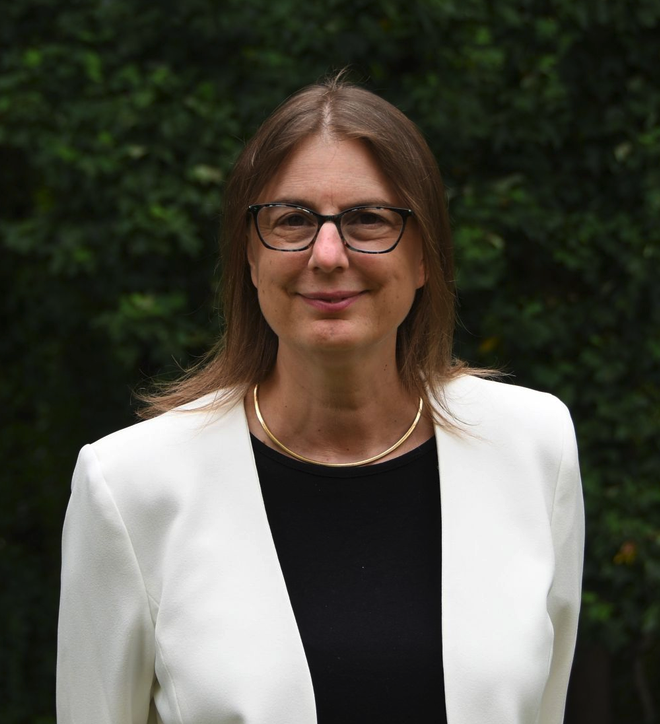
Katherine Bowman, PhD, is a senior program officer in the Biomedical and Health Sciences Program area and director of the Forum on Traumatic Brain Injury at the National Academies of Sciences, Engineering, and Medicine. In these roles, she leads activities that bring together multidisciplinary experts to identify and address emerging scientific and policy issues and inform future directions in health and medicine.
She served as study director of the report Traumatic Brain Injury: A Roadmap for Accelerating Progress (2022), directs the National Academies’ Initiative on Resilient and Enduring Data Infrastructure for Biomedical and Life Sciences Research and Innovation, and is a member of the staff team for the National Academy of Medicine’s Action Collaborative on Translating Emerging Science, Technology, and Innovation in Health and Medicine. She received her Ph.D. in biomedical engineering from Johns Hopkins University.
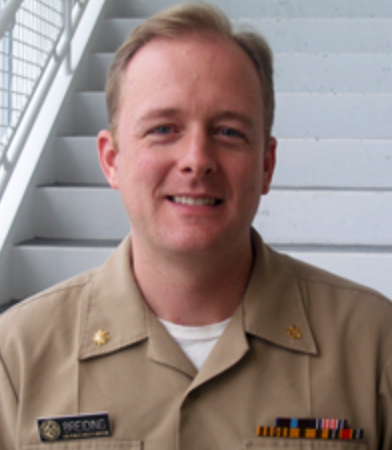
CAPT Matt Breiding, PhD, is a US Public Health Service officer and serves as Deputy Associate Director for Science in CDC’s Division of Violence Prevention. He first joined the Division of Violence Prevention in 2005 and participated in the development of the National Intimate Partner and Sexual Violence Survey, CDC’s surveillance system for intimate partner violence, sexual violence, and stalking.
In addition, Dr. Breiding also served as a principal co-investigator of the first Violence Against Children Survey, a national study of childhood sexual violence in Swaziland. Additionally, he served as the Traumatic Brain Injury Team Lead in CDC’s Division of Injury Prevention where in this capacity he worked with the team to develop two Reports to Congress, a Pediatric Mild TBI guideline, and the National Concussion Surveillance System pilot, a data collection that produced the first comprehensive prevalence estimates of TBI.
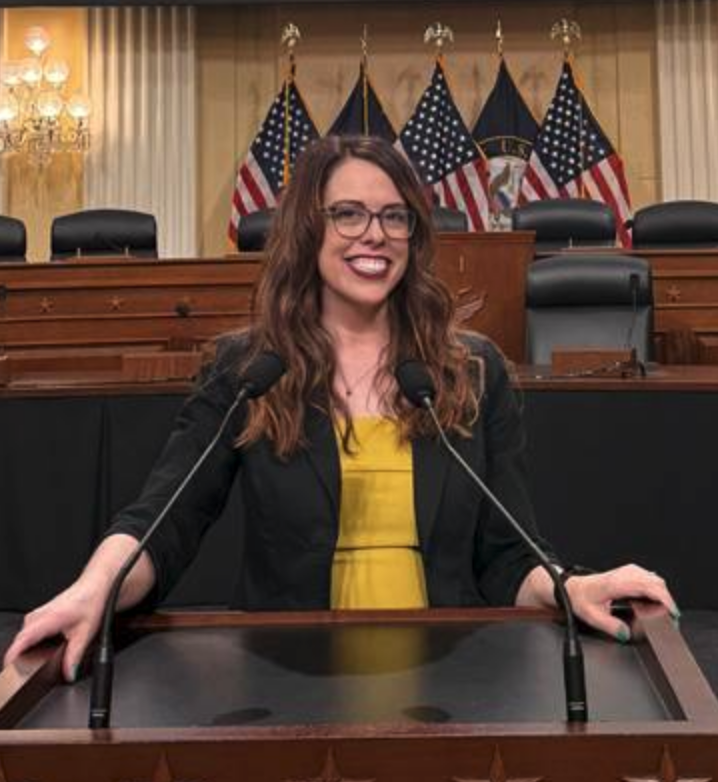
Beth Dauber, MA, CRC, CBIST, is an experienced professional currently serving as a Senior Research Assistant for University of Missouri - Kansas City (UMKC) - Institute for Human Development. With expertise in neurorehabilitation and assistive technology, Beth supports MO-VR staff, leads brain injury discussions, and provides statewide technical assistance.
She has developed connections with unique partners and played a key role in creating Missouri Brain Injury Resource Facilitation (MOBIRF). Beth's background includes serving as a Vocational Rehabilitation Counselor, District Supervisor, and Assistant Director of Rehabilitation Technology for Missouri Vocational Rehabilitation (MO-VR), as well as an Adjunct Faculty member at Maryville University. She holds a Master's degree in Rehabilitation Counseling and maintains her credentials as a Certified Brain Injury Specialist Trainer (CBIST) and Certified Rehabilitation Counselor (CRC). Beth is dedicated to empowering individuals with disabilities and actively contributes to professional organizations and committees.
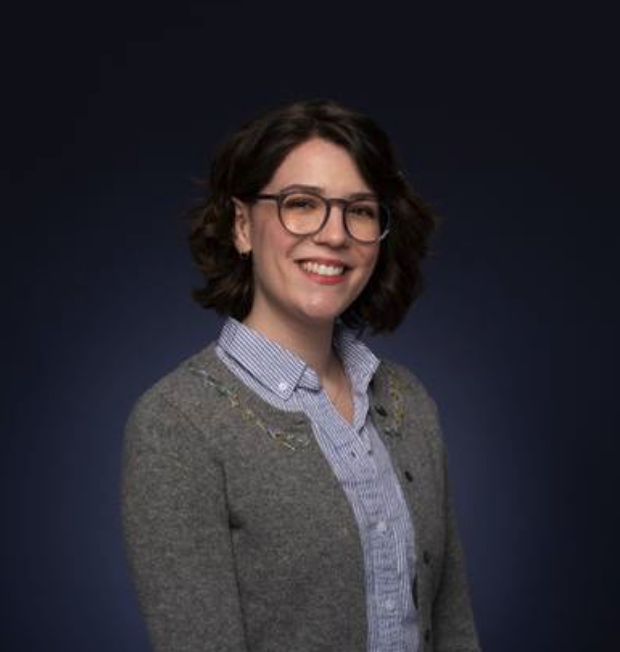
Ashlea Whaley is a dedicated nonprofit professional specializing in domestic and sexual violence coalition building. Based in Missouri, she works with a statewide coalition to advance evidence-based practices, strengthen survivor support, and influence systemic change. Her expertise spans strategic program development and community engagement, with a focus on
integrating trauma-informed approaches and addressing the unique needs of survivors - including screening practices for traumatic brain injuries. Committed to social justice and equitable public policy outcomes, she leverages data-driven strategies to empower communities, improve services, and enhance prevention and intervention efforts.
Additional Presenters
Rebeccah Wolfkiel, MPP - NASHIA Executive Director
Jill Daugherty, PhD, MPH - NASHIA Director, Innovation Center
Maria Crowley, MA, CRC - NASHIA Director of Professional Development
Cost/Certificate
NASHIA webinar attendance is always FREE!
Social Work CEs available:
$10 NASHIA Members
$15 Non-members
General Certificate available:
Free for NASHIA Members
$15 Non-members