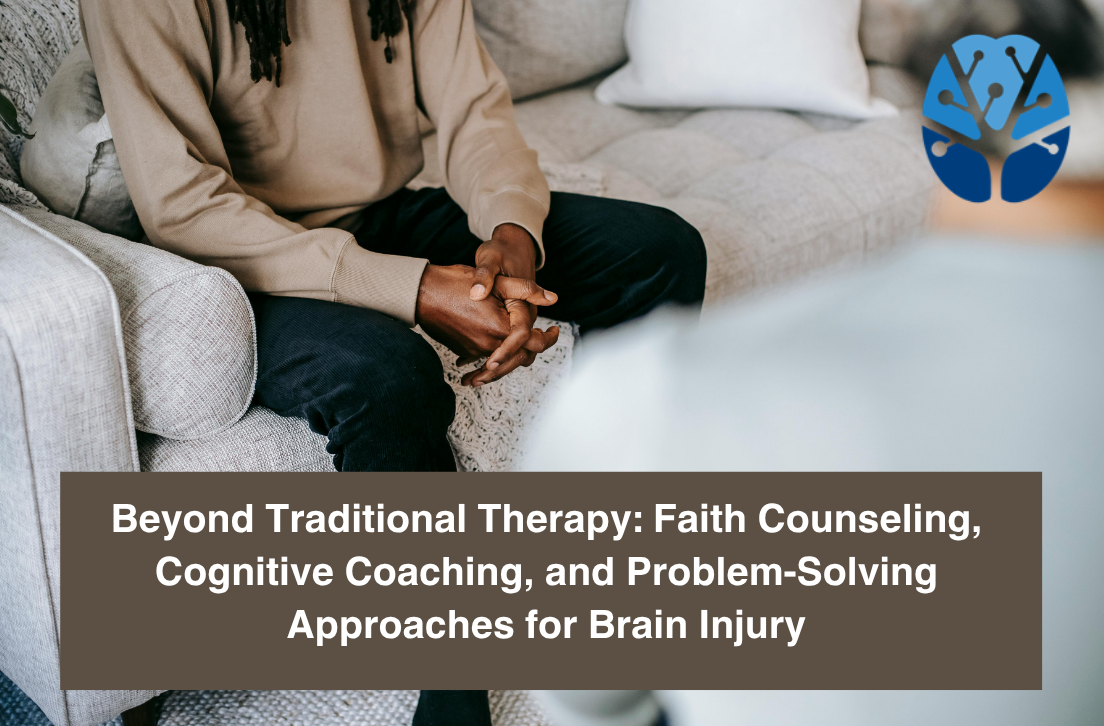
Individuals living with brain injury benefit from supportive approaches that extend beyond traditional clinical counseling. This session explores alternative intervention strategies that promote resilience, self-management, and community participation:
Faith-based counseling
Wellness and cognitive health coaching through speech-language pathology (SLP)
Innovative problem-solving and self-management interventions
Research demonstrates that problem-solving and self-management programs, such as Problem-Solving Training developed by Shannon Juengst, lead to clinically meaningful improvements for approximately 60% of participants, including reductions in depression and caregiver burden, and enhanced self-efficacy and goal attainment. Qualitative research indicates that addressing spiritual needs can positively influence overall rehabilitation outcomes. Drawing from the work of Deana Adams and her book Faith-Based Counseling for Brain Injury: Techniques for Survivors and Families, participants will explore how spirituality and faith communities can support recovery and family well-being. Cognitive health coaching, as exemplified by Taryn Barlow of The Well Brain, emphasizes goal setting, accountability, and practical strategies for daily functioning, further supporting independence and confidence.
Learn about all three types of supports and how integrating diverse approaches—spiritual, cognitive, behavioral, and community-based—can enhance recovery, empower individuals with brain injury, and promote meaningful participation in everyday life.
Presenters
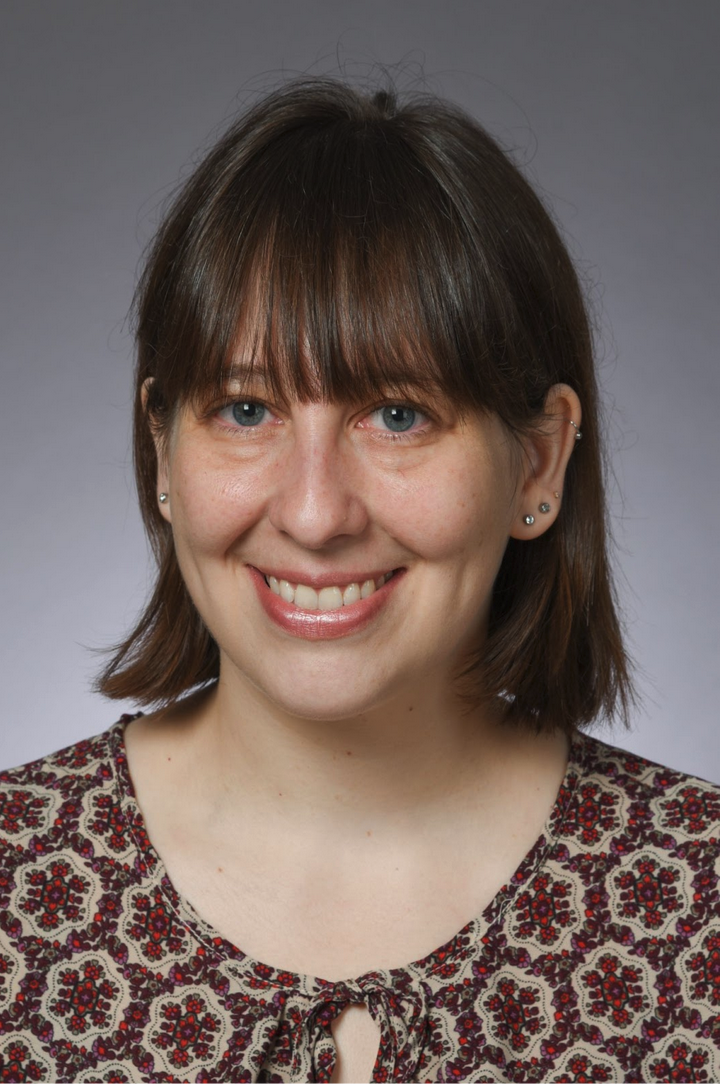
Shannon Juengst, PhD, CRC, FACRM is a Clinical Investigator at TIRR Memorial Hermann and an Adjunct Associate Professor in the Department of Physical Medicine & Rehabilitation at UT Health Sciences Center at Houston. Her work focuses on behavioral and emotional outcomes after traumatic brain injury for individuals and their care partners and improving these outcomes through problem-solving interventions, neurobehavioral assessment, and innovative telehealth methods.
She has a secondary focus on improving health disparities through accessible and adapted patient-reported outcome measures and behavioral health interventions. Her work has consistently focused on defining and measuring participation in ways that are meaningful to individuals with TBI. She has 20 years of experience in research, ranging from coordinating intervention trials in TBI and stroke to being PI on community-based and interventions studies for adults with brain injuries and their care partners. She has over 150 published peer reviewed articles, has a long track-record of research funding, and has consistently presented at scientific and professional conferences over the last 20 years. Shannon is Co-Project Director of the TIRR TBI Model System center grant, on which she serves as Principal Investigator for the site-specific project investigating use of mobile health for tracking neurobehavioral symptoms in the first year after TBI requiring inpatient rehabilitation. She is currently Chair for the TBI Model System Knowledge Translation Committee and Chair of the American Congress of Rehabilitation Medicine Brain Injury Interdisciplinary Special Interest Group, and she is a member of the Brain Injury Association of America’s Action Coalition Steering Committee.
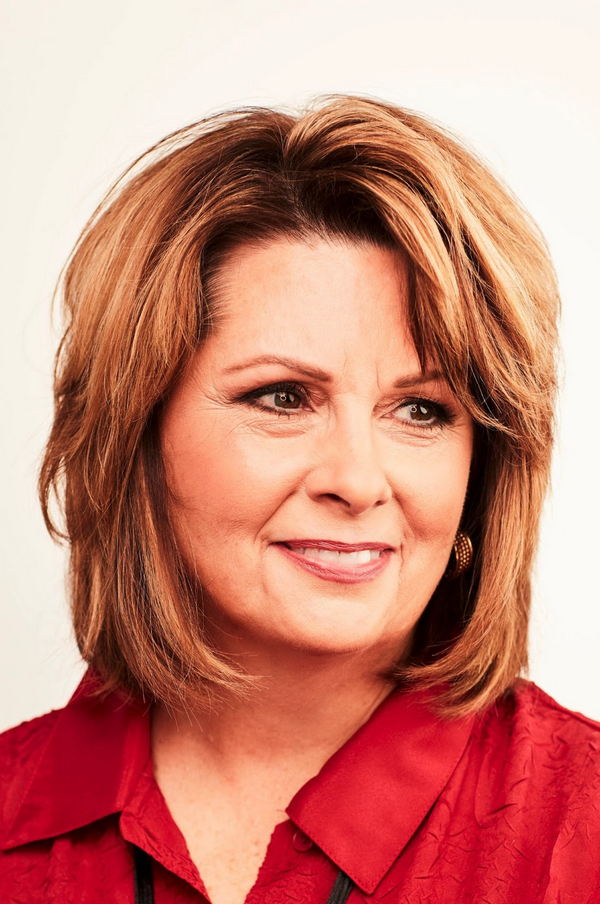
Deana Adams, Ph.D., LPC-S, is the Executive Director of Hope Behavioral Health. She recently authored two
books: Letters of Hope and Wisdom for Brain Injury Survivors: Thoughts from a Counselor by Routledge Press (2026) and Christian and Faith-based Counseling for Brain Injury: Techniques
for Survivors and Families by Routledge Press (2023). Dr. Adams is also the President/Founder of Hope After Brain Injury, a nonprofit organization dedicated to assisting those affected by brain injury through counseling,
education, and connection to community resources. She facilitates a monthly support group for TBI survivors and their caregivers; offers counseling and consultation to medical personnel and other professionals working with the brain injury community. She speaks nationally and internationally about how to effectively counsel brain injury survivors and their families.
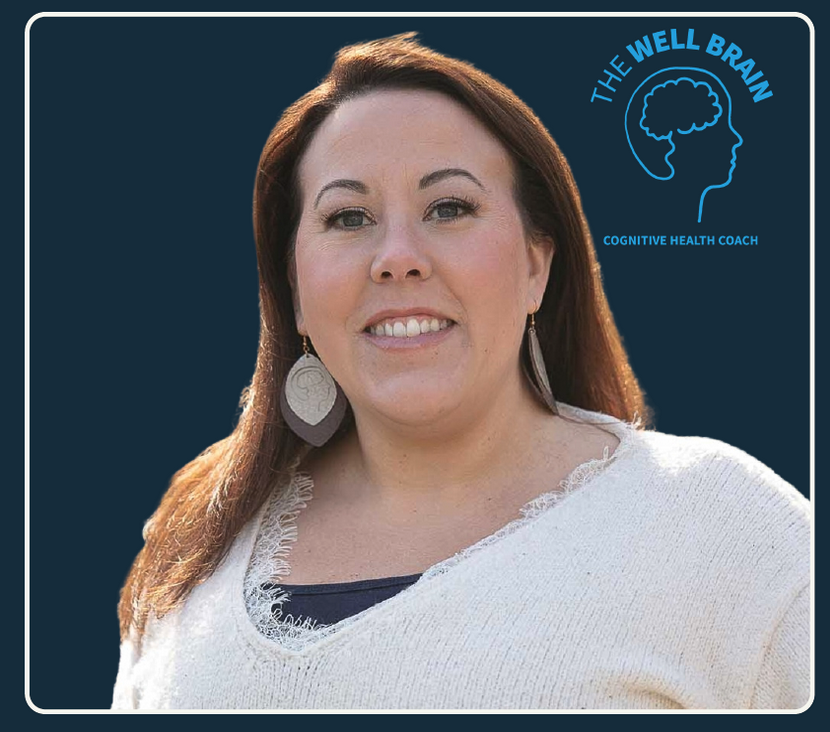
Taryn Barlow, CCC-SLP, is a Cognitive Health Coach and founder of The Well Brain™, a virtual private practice specializing in cognitive wellness. With a background as a Speech-Language Pathologist, Certified International Health Coach, Certified Brain Injury Specialist, and an Amen University Elite Brain Health
Clinician, Taryn blends science-backed strategies with compassionate care. Her innovative coaching model supports individuals navigating brain injury as they move from cognitive chaos to confidence—redefining what it means to thrive. Throughout her career in diverse healthcare settings, she has remained committed to personalized care that maximizes quality of life and neuro-recovery.
Cost/Certificate
NASHIA webinar attendance is always FREE!
Social Work CEs available:
$10 NASHIA Members
$15 Non-members
General Certificate available:
Free for NASHIA Members
$15 Non-members