Understanding how people with brain injury access services can feel like navigating a maze - State Plan Medicaid, numerous types of HCBS waivers, lesser-known options like the 1915(i), private insurance gaps, Medicare rules, and a policy landscape that is constantly shifting. This two-hour session cuts through the complexity for brain injury administrators and their community partners, offering a clear, practical map of where coverage actually comes from and how to make it work for the people you serve.
Participants will learn the difference between State Plan and waiver services. Critically, where people with brain injury show up across the waiver system; not just in brain injury–specific waivers but often through IDD, aging, and other waiver categories. We will cover waiver-like alternatives such as the 1915(i) and state plan rehabilitation services, then widen the lens to private insurance and the national push for a cognitive rehabilitation coverage mandate, using Arkansas's experience as a real-world example of how private-sector change can reshape public coverage. Rounding out the session: a primer on Medicare and dual eligibility, an inside look at the "three-hour rule" debate shaping federal rehabilitation policy, and concrete strategies for advocating for improvements in your own state.
Whether you're new to Medicaid policy or looking to sharpen your advocacy toolkit, this session will leave you with a working knowledge of the full coverage landscape — and the confidence to navigate it.
Audience
State brain injury program administrators; advisory board members; all community partners in both brain injury environments and other systems; waiver case managers; provider agencies; advocates; and family members.
Learning Objectives
By the end of this session, participants will be able to:
Distinguish between Medicaid State Plan services and HCBS waiver services
Identify the range of HCBS waivers — not just brain injury waivers — that people with brain injury may access, with particular attention to IDD waivers
Explain "waiver-like" state plan options, especially the 1915(i) HCBS State Plan Option, and state plan rehabilitation services
Describe how private insurance, the cognitive rehabilitation mandate movement, and the Arkansas experience connect to public coverage improvements
Explain Medicare coverage basics and dual eligibility as it relates to brain injury
Understand the "three-hour rule" in inpatient rehabilitation and why it is a current federal advocacy priority
Identify concrete ways to advocate for state plan and waiver improvements in their own state
Presenters

Zaida Ricker, MPS
Director of Strategic Partnerships and Policy
NASHIA
Zaida Ricker, MPS, supports NASHIA as the Director of Strategic Partnerships and Policy. In this role, In this role, she leads our federal efforts to promote change and has helped secure increases in funding for the Traumatic
Brain Injury State Partnerships Program at the Administration for Community Living and the National Concussion Surveillance System at the Centers for Disease Control. She also helps support policy efforts related to the overlap between intimate partner violence and justice-involved populations.
Zaida also worked for former Homeland Security Secretary Tom Ridge at the Ridge Policy Group from 2018 - 2023. She managed clients related to disability policy, helping to ensure that individuals with disabilities have balanced opportunities in all aspects of life. Zaida helps to communicate with Capitol Hill and the Administration, supports grassroots communication, and provides legislative strategies to ensure successful government relations plans.
She joined Ridge Policy Group after working for Congressman Brad Schneider of Illinois. In that position, she managed the Congressman’s portfolio as the Ranking Member of the House Small Business Subcommittee on Agriculture, Energy, and Trade, as well as a wide range of other issues, including disability issues. Before joining Rep. Schneider’s office, Zaida worked for Senate Democratic Leader Harry Reid, where she handled a wide ranging domestic policy portfolio. During her time in both the Senate and the House, Zaida developed an understanding of Congressional procedure, shaped and passed policy, and built relationships with key staffers of both parties.
Zaida graduated from Brigham Young University with a degree in poli-sci and received her master’s degree in legislative affairs from George Washington University. In her free time, Zaida enjoys spending time with her family, husband Cameron, daughter Zona, and dog Champion.
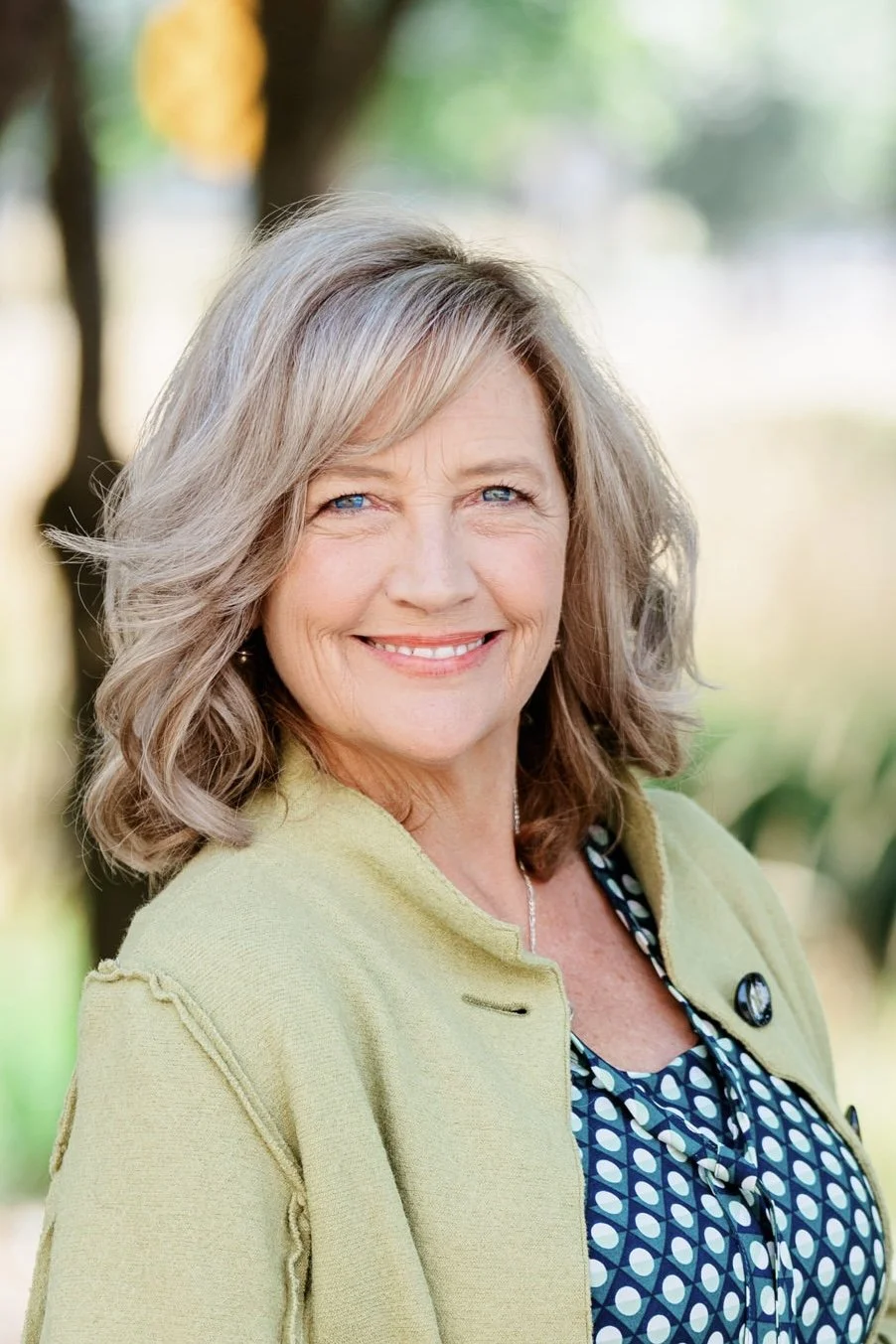
Jill Ferrington, MS, CRC, CBIS
Director of Community Integration
NASHIA
Jill Ferrington, MS, CRC, CBIS has spent more than three decades advancing disability initiatives at the intersection of policy, practice, and lived experience. Her expertise spans brain injury, competitive integrated employment (including self-employment), Home and Community-Based Services, and Medicaid Buy-In.
Jill partners with states to translate complex priorities into action — helping them engage stakeholders, develop meaningful State Plans, strengthen advisory councils, and design person-centered and peer support models tailored to their communities. She also supports efforts to expand identification of and improve service delivery for people with brain injury, and brings deep experience in training and resource development across a wide range of brain injury topics.
She serves as a subject matter expert for the Disability Employment Technical Assistance Center and as a consultant for New Editions LLC, the HCBS technical assistance contractor for the Centers for Medicare and Medicaid Services.
Cost/Certificate
$100 NASHIA Members
$125 Non-members
SW CEs or General Certificate of Attendance included in the cost of registration.