Brain injury is common among older adults, with falls being the leading cause and nearly half of TBI‑related hospitalizations occurring in those 65 and older. Following injury, many older adults experience persistent mental health challenges: studies show that up to 29% may develop symptoms of depression within a year, while anxiety, distress, and even suicidal thoughts affect a substantial portion. These figures highlight the need for careful monitoring, culturally responsive counseling, and tailored support strategies to address both behavioral and emotional consequences of brain injury in later life.
This workshop focuses on the unique challenges faced by older adults who sustain brain injury, whether traumatic or non-traumatic, such as stroke, hypoxia, long COVID, or overdose. Participants will examine common behavioral, emotional, and cognitive changes after injury and how medical factors, shifting independence, and family dynamics influence recovery and daily functioning. The session highlights the importance of cultural and generational considerations in counseling, including attitudes toward disability, mental health, help-seeking, authority, and family roles, which can shape engagement and outcomes. Grounded in person-centered, strengths-based approaches, the workshop equips professionals with practical strategies to build rapport, adapt interventions, and provide responsive, culturally informed support tailored to the needs of older adults navigating life after brain injury.
Outline:
Setting the Stage: Brain Injury in Older Adults
Behavioral and Emotional Challenges After Brain Injury
Environmental and Social Contexts
Best Practices for Counseling Older Adults with Brain Injury
Practical Applications and Resources
Presenter
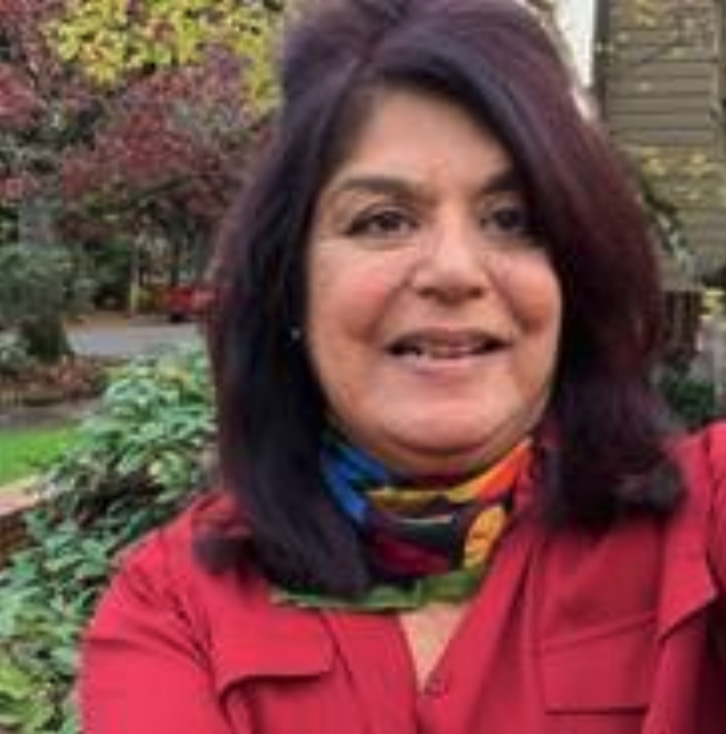
Nirmala Dhar, MSW, LCSW
Oregon Health Authority
Behavioral Health Division
Older Adult Behavioral Health Lead Strategist
Nirmala Dhar is a licensed clinical social worker with over 40 years of experience in all aspects of behavioral health programs in the public sector across three states. She is deeply committed to disability justice especially for people with serious mental illness and individuals with cross-sector complex care needs with many experiencing cognitive compromise.
Currently she serves as the Older Adult Behavioral Health Lead Strategist for the Oregon Health Authority’s Division of Behavioral Health. In this role, she has been the Project Director of the Older Adult Behavioral Health Initiative since its inception and helped stand it up in 2015. She is a team member of OHA’s BOLD grant Oregon Dementia and Healthy Brain Initiative (ODHBI). She is a geriatric behavioral health ECHO champion and was instrumental in bringing, building and finding funding for the first of its kind Geriatric BH ECHO for Nursing Facilities on the West Coast. Nirmala played a key role in funding and establishing the Center for Excellence forBehavioral Health and Aging at Portland State University – OHSU called OCEBHA where she continues to be an active thought partner and project officer. She is a sought-after subject matter expert who trains nationally. Her professional interests include healthy aging, social justice, workforce development, bioethics, the intersection of law and mental health, and service delivery innovations.
Cost/Certificate
$125 NASHIA Members
$150 Non-members
SW CEs or General Certificate of Attendance included in the cost of registration.